AP Classes and College Admissions: What You Need to Know
How many AP classes should you take? Which ones matter most? Learn how admissions officers evaluate your course rigor and how to choose wisely.
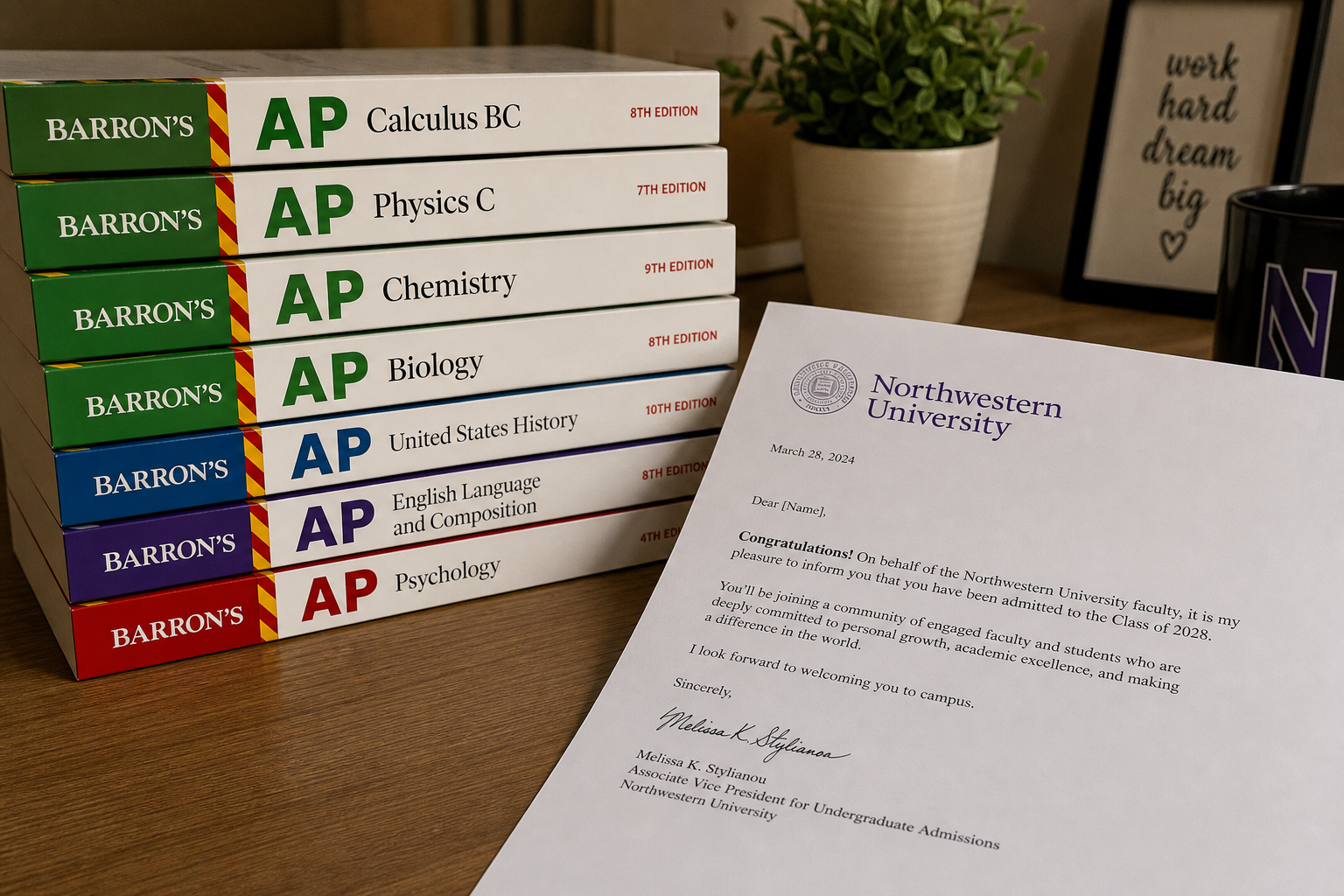
Advanced Placement courses are one of the most powerful tools in your college admissions arsenal — but only if you use them strategically. Taking too many can tank your GPA. Taking too few can signal a lack of rigor. The key is finding the right balance for your specific goals, abilities, and target schools.
How Admissions Officers Evaluate AP Courses
Admissions officers don't just count your AP classes — they evaluate them in context. They consider:
- What's available at your school: If your school offers 20 APs and you took 3, that raises questions. If your school offers 5 and you took 4, that shows initiative.
- Relevance to your major: A future CS major who took AP Computer Science and AP Calculus BC shows intentionality. Random AP selections don't tell a story.
- Grade performance: A B in AP Physics is generally viewed more favorably than an A in regular Physics, but a D in AP Physics helps no one.
- Progression over time: They want to see you taking on more challenge each year, not front-loading everything sophomore year.
How Many AP Classes Should You Take?
There's no magic number, but here are general guidelines based on school selectivity:
Ivy League / Top 20: 8-12 APs over four years, with strong grades in all. These schools expect you to take the most rigorous curriculum available.
Top 50 Schools: 5-8 APs, focused on your areas of strength and interest. Quality over quantity matters here.
State Flagships: 3-5 APs, particularly in core subjects. Many state schools have specific AP credit policies that can save you time and money.
Remember: These are guidelines, not rules. A student with 5 well-chosen APs and a compelling story can absolutely get into a top school.
Which AP Classes to Prioritize
Not all APs are created equal in the eyes of admissions. Here's how to think about prioritization:
For STEM Majors
- AP Calculus BC (not just AB)
- AP Physics C (both Mechanics and E&M if possible)
- AP Chemistry or AP Biology (depending on your field)
- AP Computer Science A
- AP Statistics (useful for any STEM field)
For Humanities Majors
- AP English Language and Literature (both)
- AP US History and/or AP World History
- AP Government or AP Economics
- A foreign language AP
- AP Psychology or AP Human Geography
For Business Majors
- AP Calculus (AB or BC)
- AP Statistics
- AP Microeconomics and Macroeconomics
- AP English Language
- AP Computer Science Principles
The AP Score Question
Should you report AP scores? Generally:
- Report scores of 4 or 5 — they demonstrate mastery
- Scores of 3 are neutral — report them for less selective schools
- Scores of 1-2 — don't report unless required
Remember that the course itself on your transcript matters more than the exam score for admissions purposes. The exam score matters more for earning college credit.
Balancing APs With Everything Else
The biggest risk with AP courses is overloading yourself to the point where your grades, mental health, or extracurriculars suffer. A sustainable approach:
- Sophomore year: 1-2 APs in your strongest subjects
- Junior year: 3-4 APs, including ones relevant to your major
- Senior year: 3-5 APs, showing continued rigor even after applications are submitted
How The College CoPilot Helps With AP Planning
When you tell Orion your target degree and college, it researches that program's specific expectations and builds a personalized 4-year roadmap that includes exactly which AP courses to take and when. It considers your school's offerings, your current performance level, and your extracurricular commitments to recommend a sustainable course load.
If you're struggling in an AP class, Orion adapts — adding focused lessons and Khan Academy videos to help you master the material. The system tracks your grades and adjusts recommendations in real-time.
Get started with The College CoPilot and let Orion plan your optimal AP course sequence.


Related Articles
How to Stand Out in College Essays
Admissions officers read thousands of essays. Learn the techniques that make yours memorable — from finding your unique angle to crafting a compelling narrative.
Read more AdmissionsCollege Interview Preparation: What to Expect and How to Shine
College interviews don't have to be nerve-wracking. Here's what interviewers actually evaluate and how to prepare answers that showcase your authentic self.
Read more AdmissionsLetters of Recommendation: How to Get Great Ones
Strong recommendation letters can tip the scales in your favor. Learn who to ask, when to ask, and how to make it easy for your recommenders to write something powerful.
Read moreReady to start your college journey?
The College CoPilot uses AI to build your personalized 4-year roadmap, find scholarships, and prepare you for acceptance.
Get Started Free